Understanding Your Sleep Cycle: How to Decode Your Patterns
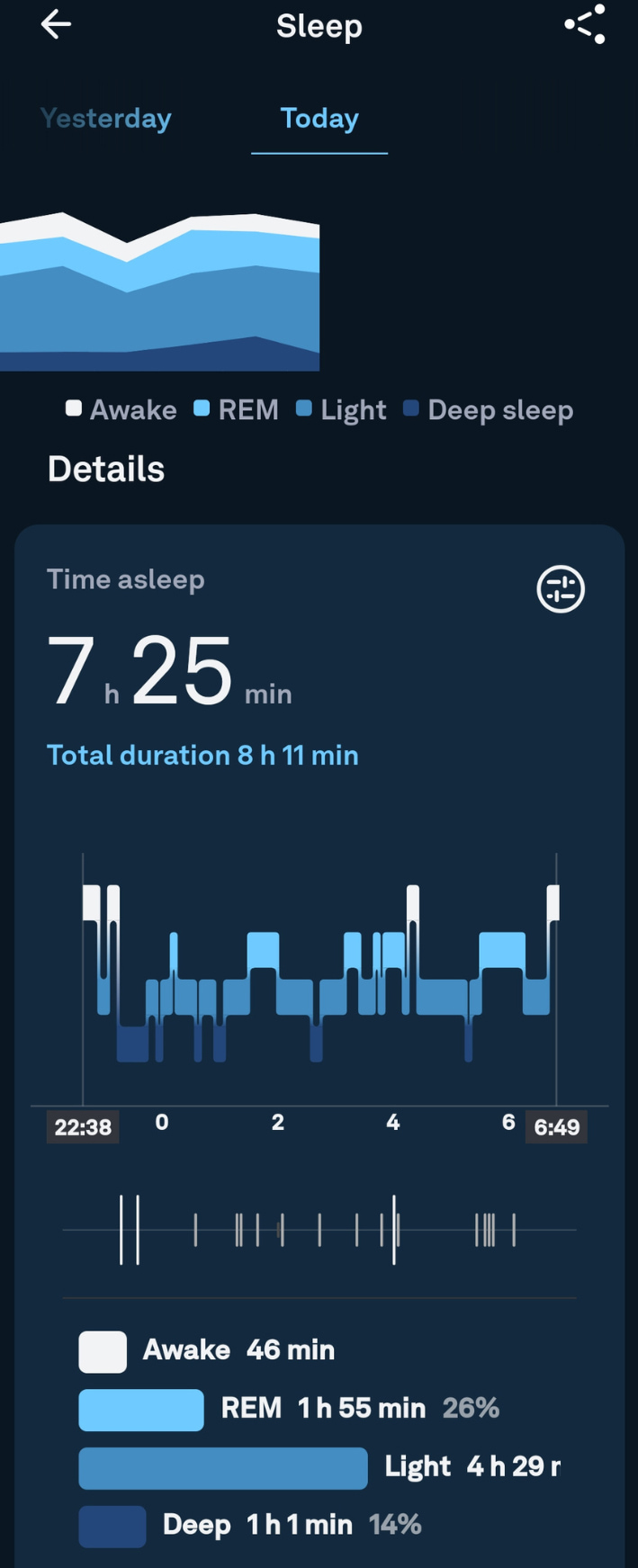
Your sleep cycle plays a crucial role in determining your overall health and well-being. Understanding the various stages of sleep can help you identify patterns that may be impacting your daily life. Generally, the sleep cycle consists of five stages: NREM Stage 1, NREM Stage 2, NREM Stage 3, REM Stage, and the light sleep. During these stages, your body goes through various physiological changes, such as heart rate and breathing fluctuations, which can influence how rested you feel upon waking. By keeping track of these stages, you can pinpoint any issues you may be experiencing, whether it's insomnia, frequent awakenings, or excessive daytime sleepiness.
To decode your unique sleep patterns, consider utilizing a sleep journal or a sleep tracking app. Begin by recording the time you go to bed, the time you wake up, and any interruptions that occur throughout the night. Analyzing this data can reveal trends, such as whether you feel more rested after longer periods of deep sleep or if restless nights correlate with stress levels. Additionally, adopt practices such as maintaining a consistent sleep schedule, creating a calming bedtime routine, and minimizing exposure to screens before sleep, all of which can enhance your understanding of your sleep cycle and improve overall sleep quality.
Counter-Strike is a highly popular first-person shooter game that pits two teams against each other: the Terrorists and the Counter-Terrorists. Players engage in various game modes, including bomb defusal and hostage rescue, requiring teamwork and strategy. The game has evolved over the years, with many iterations, and remains a staple in the competitive gaming community. If you're looking for ways to optimize your gaming setup, check out the Top 10 Apple Watch Bands for Sleep to enhance your experience.
The Science of Sleep: Why Night Owls May Be More Common Than You Think
The Science of Sleep has gained significant attention in recent years, revealing fascinating insights into our sleep patterns. While early risers have often been celebrated, recent studies suggest that night owls may be more common than previously believed. One reason behind this phenomenon could be attributed to our evolutionary biology. In a world where survival depended on diverse activity patterns, some individuals developed a preference for being active during the night. This adaptation can be advantageous for various reasons, including reduced competition for resources and enhanced opportunities for social interactions.
Moreover, recent research indicates that the circadian rhythm—the internal clock regulating our sleep-wake cycle—can vary significantly among individuals. According to a study published in the journal Nature, approximately 40% of the population identifies as night owls, shedding light on the importance of acknowledging different sleep preferences. Additionally, night owls may possess distinct cognitive advantages, such as increased creativity and problem-solving skills during late hours. As we continue to explore the complexities of sleep, it becomes clear that embracing our unique chronotypes can lead to a more balanced and fulfilling life.
5 Simple Tips for Tracking Your Sleep and Combatting Late Nights
Getting a good night's sleep is essential for overall well-being, but tracking your sleep patterns can be challenging. Here are five simple tips to help you track your sleep and combat those late nights:
- Maintain a Sleep Diary: Write down your sleep duration, bedtime, and wake-up time each day. This method helps you identify patterns and factors affecting your sleep.
- Use Sleep Tracking Apps: Leverage technology by using sleep tracking apps that monitor your sleep cycles, providing valuable insights into your rest quality.
Additionally, sticking to a consistent sleep schedule can significantly enhance your sleep quality. Here are a few more tips to consider:
- Limit Screen Time: Avoid screens for at least an hour before bed. The blue light emitted by devices can disrupt your sleep cycle.
- Create a Relaxing Bedtime Routine: Establish calming activities such as reading, meditating, or gentle stretching to signal to your body that it’s time to unwind.
- Utilize Sleep Aids: Consider natural sleep aids like herbal teas or essential oils to promote relaxation before sleep.