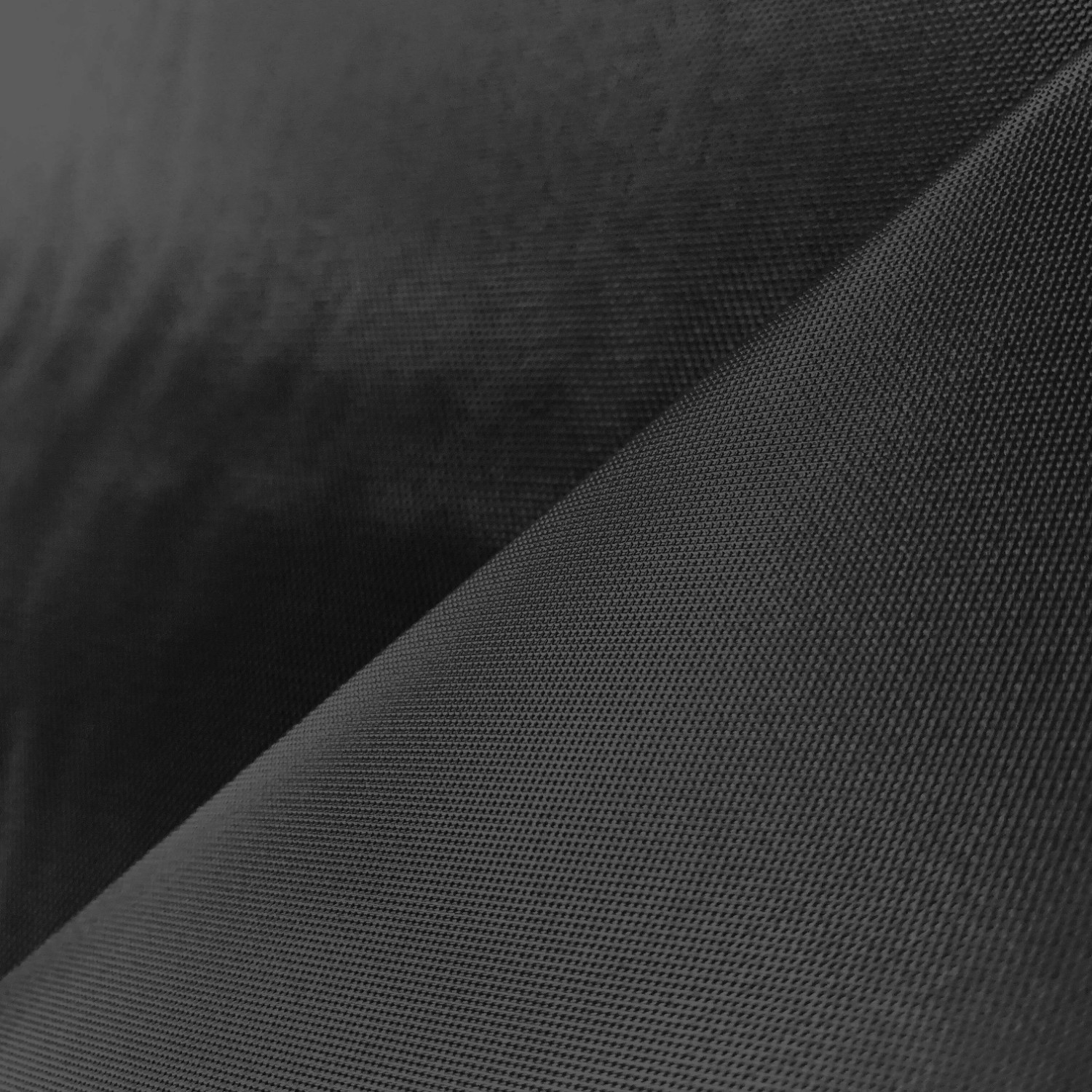
The History of Nylon: From Invention to Fashion Staple
Nylon was invented in 1935 by American chemist Wallace Carothers, working for DuPont. This groundbreaking synthetic polymer emerged as the first entirely synthetic fiber, revolutionizing the textile industry. Initially intended as a replacement for silk, nylon quickly captured attention for its strength, elasticity, and resistance to mildew. The first commercial product made from nylon was nylon stockings, which hit the market in 1939 and instantly became a hit among women, symbolizing a new era of fashion possibilities. The popularity of nylon stockings soared, leading to increased production and eventually spawning a myriad of products including ropes, parachutes, and even toothbrush bristles.
Throughout the mid-20th century, nylon solidified its place in the fashion world, becoming a staple in various clothing items, including activewear and lingerie. Its versatility allowed designers to create garments that were not only durable but also stylish. By the 1960s, the advent of nylon blends expanded its use, integrating it into everyday fashion. Today, nylon remains a crucial material in fashion and apparel, underlining its historic journey from an innovative invention to an essential component of modern wardrobes, cherished for its functional and aesthetic qualities.
Counter-Strike is a highly popular tactical first-person shooter game that has captivated players since its release. It focuses on team-based gameplay where players can either take on the role of terrorists or counter-terrorists. For those looking to enhance their gaming experience, finding gear that adds comfort and style can be crucial. Check out these Top 10 Lightweight Apple Watch Bands to complement your gaming session.
Why Nylon is the Go-To Fabric for Sustainable Fashion
Nylon has rapidly become the go-to fabric for sustainable fashion due to its durability, versatility, and the increasing innovations in its production processes. Originally created as a synthetic alternative to silk, nylon has evolved to meet contemporary sustainability standards. Modern production techniques, such as recycling and the use of bio-based materials, contribute to reducing the environmental impact associated with traditional textile manufacturing. For instance, recycled nylon, sourced from discarded fishing nets and fabric scraps, minimizes waste and promotes a circular economy, which is vital for our planet's future.
The benefits of nylon extend beyond its eco-friendly production methods. This fabric is known for its strength and longevity, which means garments made from nylon can withstand wear and tear, leading to a decrease in fast fashion consumption. Additionally, nylon's lightweight nature and resistance to moisture make it an ideal choice for activewear and outerwear. As consumers become more eco-conscious, the demand for sustainable materials like nylon continues to rise, encouraging brands to adopt responsible practices. In summary, nylon's combination of sustainability, durability, and functionality solidifies its status as a leading fabric in the world of sustainable fashion.
How Nylon Revolutionized the Way We Think About Everyday Clothing
Nylon emerged in the 1930s as a groundbreaking synthetic fabric that transformed the landscape of everyday clothing. Prior to its introduction, natural fibers like cotton and wool dominated the fashion industry. However, nylon not only offered enhanced durability and resilience but also boasted qualities such as resistance to mildew and mold, paving the way for a new era of more functional apparel. Clothing made from nylon could withstand the rigors of daily wear and tear, making it an ideal choice for active individuals and casual wear alike.
Beyond its practical advantages, nylon sparked a cultural shift in how we perceive clothing. The material's lightweight and smooth texture provided designers with unparalleled versatility, allowing for innovative styles and forms that were once unimaginable. Additionally, the advent of nylon contributed to the rise of affordable fashion, making stylish clothing accessible to the masses. This democratization of textiles not only changed consumer habits but also fostered a new appreciation for the role of materials in our everyday lives, prompting us to rethink our clothing choices.