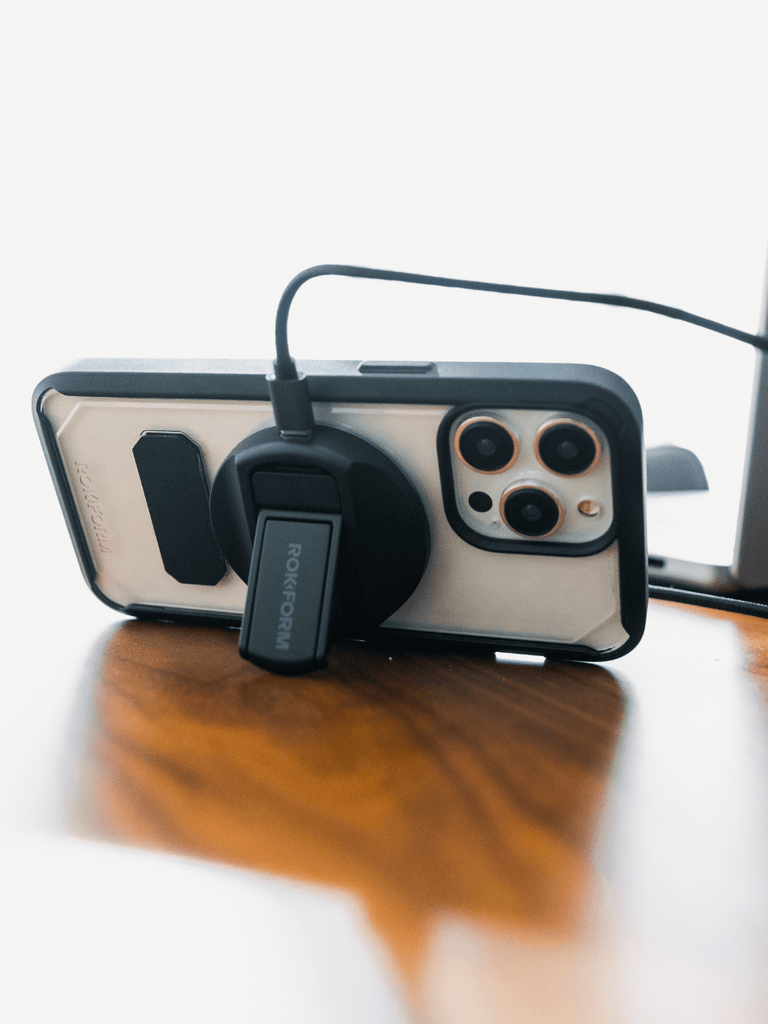
Understanding Wireless Charging: How It Works and Its Benefits
Wireless charging is a convenient and innovative way to power devices without the hassle of cables and wires. This technology utilizes electromagnetic fields to transfer energy between two objects, typically a charging pad and a compatible device equipped with a receiver coil. When the device is placed on the charging pad, an alternating current passes through the pad's coil, generating a magnetic field. This field induces a current in the device's coil, converting it back to direct current (DC) to charge the battery. One of the most common standards for this technology, known as Qi, allows users to charge smartphones, smartwatches, and other electronics swiftly and safely.
The benefits of wireless charging extend beyond just convenience. For instance, it reduces the wear and tear associated with plugging and unplugging cables, prolonging the lifespan of both your devices and their ports. Additionally, many wireless chargers are designed to support multiple devices, enabling users to charge several gadgets at once. There’s also an added layer of safety, as wireless charging often includes built-in protections to prevent overheating and overcharging. Ultimately, as technology continues to advance, wireless charging is set to become not only more efficient but also a standard feature in future electronic devices.
Counter-Strike is a highly popular tactical first-person shooter franchise that has captivated gamers worldwide since its initial release in 1999. Players engage in team-based combat, choosing to fight for either terrorist or counter-terrorist factions, requiring strategy and teamwork to succeed. For those looking to enhance their gaming experience, investing in the right gear can make a difference; check out the Top 10 magsafe power banks to keep your devices charged during intense gaming sessions.
The Future of Wireless Charging: Trends and Innovations to Watch
The future of wireless charging is set to revolutionize the way we power not only our smartphones but a myriad of electronic devices. As technology advances, we're witnessing a surge in innovations in this space, including resonant inductive charging and radio frequency (RF) charging. These methods allow multiple devices to charge simultaneously from a single power source, offering unparalleled convenience. Additionally, we can expect to see wireless charging integrated into furniture and public spaces, creating charging zones that coexist with our daily activities. In fact, major companies are already piloting projects that embed charging technology into tables, cars, and even public benches.
One of the key trends shaping the future of wireless charging is the push for increased charging efficiency and faster charging speeds. Early adopters are now looking for solutions that not only eliminate cables but also ensure quick power delivery. Upcoming technologies such as ultrasonic charging have the potential to charge devices even without direct contact, utilizing sound waves to transfer energy. Furthermore, as electric vehicles (EVs) gain popularity, the integration of wireless charging in the automotive sector is becoming a focus area for research and development. This shift could lead to the emergence of smart roads equipped with charging capabilities, reducing the reliance on conventional charging stations.
Is Wireless Charging Right for You? Pros and Cons Explained
Wireless charging has gained significant popularity as a convenient way to power up your devices without the hassle of tangled cords and connectors. Pros of this technology include ease of use—simply place your device on the charging pad, and it starts charging. For many users, this can enhance their daily routine, especially in a fast-paced environment. Additionally, wireless charging can prolong the lifespan of your device's charging port, reducing wear and tear. However, it’s important to consider the cons as well, such as slower charging speeds compared to traditional wired chargers and potential heat generation that might affect battery longevity.
When deciding if wireless charging is right for you, weigh these pros and cons. For example, if you often find yourself rushing and like the idea of simply placing your phone down to charge, then the convenience of wireless charging can be a significant advantage. Conversely, if you rely on quick power-ups and need your devices to charge at maximal speed, the limitations of wireless charging may outweigh the benefits. Ultimately, evaluating your lifestyle and charging habits can help you determine whether making the switch to wireless charging aligns with your needs.