Exploring the Boundless Realms of Virtual Reality: A Beginner's Guide
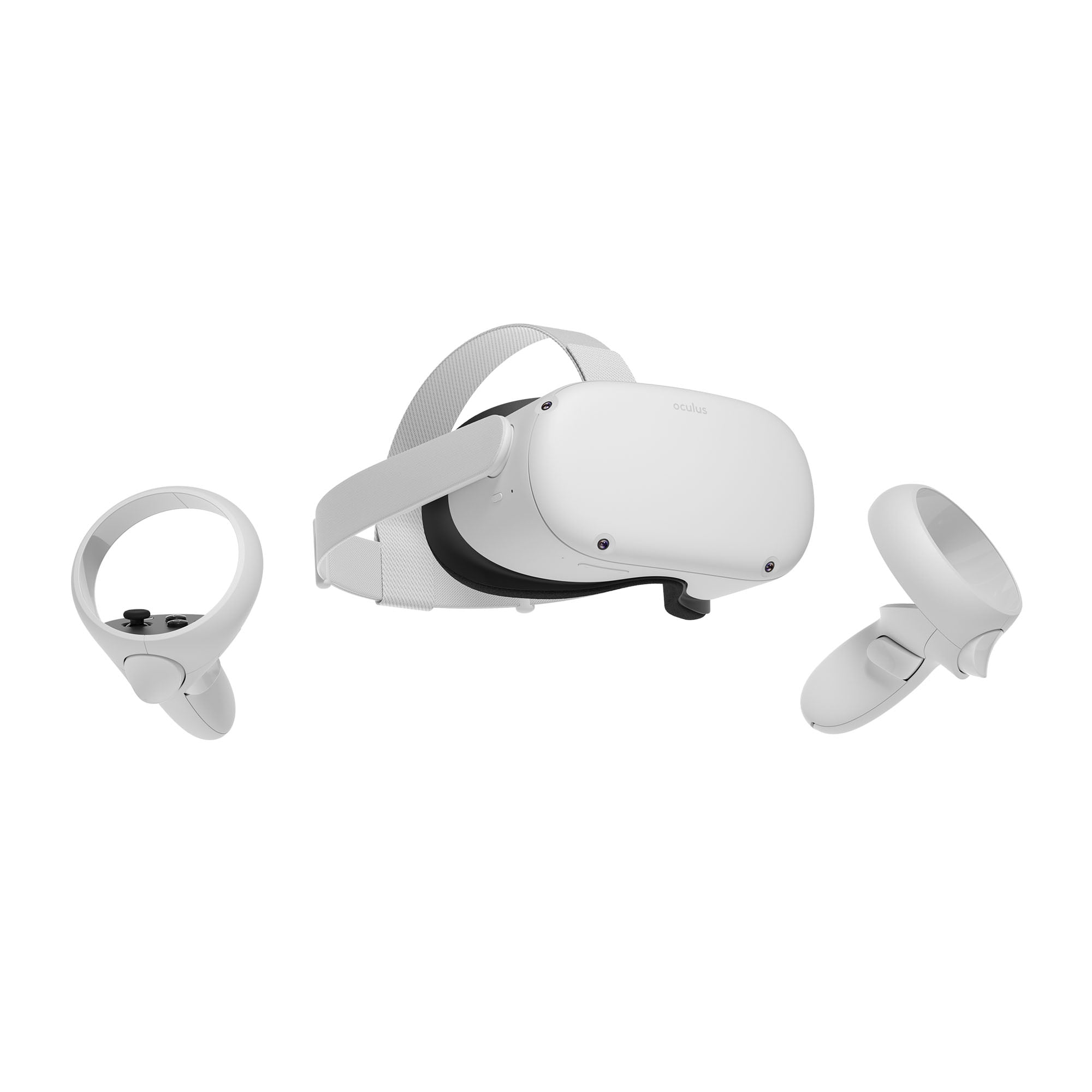
Exploring the boundless realms of Virtual Reality can seem daunting for beginners, but it holds the promise of a transformative experience in entertainment, education, and more. Virtual reality (VR) immerses users in a computer-generated environment, allowing them to interact with 3D worlds that can replicate real-life scenarios or create entirely fantastical experiences. To get started, it’s essential to understand the basic components of VR, which include a headset, motion controllers, and sometimes additional peripherals like haptic gloves. Each of these elements plays a crucial role in creating a convincing immersive experience.
For those new to Virtual Reality, a good starting point is to familiarize yourself with the different platforms available. Major players in the VR market include Oculus, HTC Vive, and PlayStation VR, each offering unique features and experiences tailored to various audiences. Additionally, explore popular VR applications and games that showcase the technology, such as Beat Saber, Half-Life: Alyx, and educational simulations like Google Earth VR. As you delve deeper into this exciting world, remember to consider your own interests and needs to make the most informed choices in your VR journey.
Counter-Strike is a popular team-based first-person shooter game that pits terrorists against counter-terrorists in various objective-based scenarios. Players can choose from a variety of weapons and tactics to complete objectives, with skill and strategy being crucial for success. For those looking for optimal gaming accessories, check out the Top 10 apple vision pro head straps to enhance your gaming experience.
How Virtual Reality is Reshaping Entertainment and Education
Virtual Reality (VR) is revolutionizing the way we experience entertainment. Gone are the days when audiences were mere spectators; now, they can immerse themselves in vibrant worlds that offer unprecedented levels of interaction. With VR technology, users can engage in real-time experiences, whether it's attending a concert from the front row, exploring new game environments, or even participating in dynamic storytelling. Major companies are investing heavily in VR content, from blockbuster films to video games, which cater to a growing demand for interactive narratives. This shift not only enhances user engagement but also creates significant opportunities for content creators to innovate and connect with their audiences.
Beyond entertainment, Virtual Reality is also making waves in the field of education. Classrooms are transforming into interactive learning environments, where students can explore historical landmarks, conduct virtual science experiments, or even take part in simulations that would be impossible in the real world. For instance, medical students can practice surgeries in a risk-free setting, gaining hands-on experience without the consequences of real-life mistakes. As educational institutions increasingly adopt VR technologies, the potential for enhancing learning outcomes is immense, paving the way for a future where students gain knowledge through immersive experiences rather than traditional methods alone.
What Are the Real-World Applications of Virtual Reality Beyond Gaming?
While gaming is often the first industry that comes to mind when discussing virtual reality (VR), its real-world applications extend far beyond entertainment. In the field of education, VR can create immersive learning experiences. For instance, medical students can practice surgical techniques in a highly realistic 3D environment without risking patient safety. Similarly, historical sites and events can be recreated in a virtual classroom, allowing students to engage with their lessons in a way that textbooks simply cannot provide. This interactive learning method enhances retention and understanding, making education more effective.
In addition to education, VR is revolutionizing industries such as healthcare, real estate, and training. In healthcare, therapists use VR for exposure therapy, helping patients confront phobias or post-traumatic stress disorder in a controlled setting. The real estate sector benefits from virtual tours that allow potential buyers to explore properties from the comfort of their homes, increasing engagement and reach. Moreover, companies utilize VR for employee training, allowing workers to simulate high-risk environments safely, ultimately reducing workplace accidents and improving overall productivity.