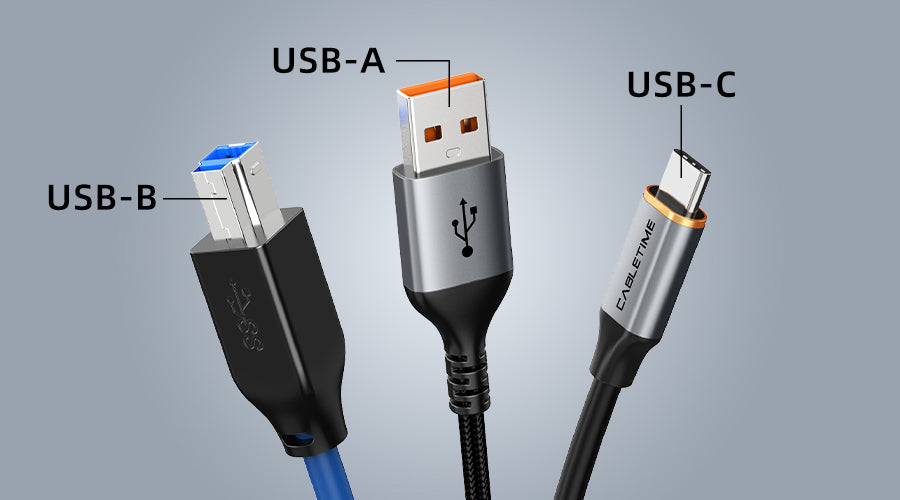
The Advantages of USB-C: Why It's the Future of Charging
USB-C has rapidly gained traction as the universal standard for charging and data transfer, and it's easy to see why. One of the most significant advantages of USB-C is its reversible design, allowing users to connect the cable either way without any hassle. This simple yet effective feature eliminates the frustration often associated with traditional USB connectors. Furthermore, with its ability to support power delivery of up to 100 watts, USB-C can charge not only smartphones and tablets but also laptops, making it a versatile option for all your devices.
Another key advantage of USB-C is its high data transfer speeds. With a potential throughput of up to 40 Gbps when utilizing Thunderbolt 3 technology, USB-C greatly outperforms its predecessors. This rapid data transfer capability makes it ideal for professionals who handle large files, such as photographers and videographers. Additionally, the increasing adoption of USB-C across devices means that consumers can look forward to a future where they can use a single cable for all their charging and data needs, significantly reducing clutter. In conclusion, USB-C is not just a trend; it's paving the way for a more efficient and user-friendly charging ecosystem.
Counter-Strike is a highly competitive first-person shooter game that has captivated millions of players around the world. It features intense team-based gameplay, strategic map control, and various game modes. For gamers looking to enhance their setup, check out the Top 10 USB C accessories to improve their gaming experience.
How to Choose the Right USB-C Cable for Your Devices
When it comes to selecting the right USB-C cable for your devices, understanding the specifications is key. Not all USB-C cables are created equal; they vary in charging speeds, data transfer rates, and power delivery capabilities. To make an informed decision, first consider what you intend to use the cable for. If you need fast charging, look for options that support Power Delivery (PD) technology and can handle higher wattage. In contrast, if you require data transfer, ensure the cable supports USB 3.1 or higher to achieve optimal speeds.
Another important factor to consider is the length of the USB-C cable. Cables come in various lengths, and the choice depends largely on your usage scenario. For instance, if you frequently charge your devices from a distance, a longer cable (3 to 10 feet) may be more convenient. However, shorter cables (1 to 2 feet) can help reduce clutter and are often better for travel. Additionally, check for durability features such as reinforced connectors and braided exteriors, which can enhance the lifespan of the cable and provide better resistance against wear and tear.
Is USB-C Compatible with My Existing Devices? A Quick Guide
If you're wondering, Is USB-C compatible with my existing devices? you're not alone. USB-C is becoming the universal standard for charging and data transfer, making it vital to understand its compatibility with your current gadgets. First, check the type of ports available on your devices. Most modern smartphones, laptops, and tablets are now adopting the USB-C format, but many older devices still use USB-A or micro USB. Compatibility can also depend on the specifications of your cables and adapters. It’s essential to invest in high-quality accessories to ensure optimal performance.
To determine USB-C compatibility, consider these factors:
- Device Type: Check if your device has a USB-C port.
- Adapters/Cables: Using the correct adapters can bridge compatibility gaps.
- Power Supply: Ensure your power sources are compatible with USB-C voltage standards.
This quick guide can help make the transition smoother as you embrace the benefits of USB-C technology across your devices.