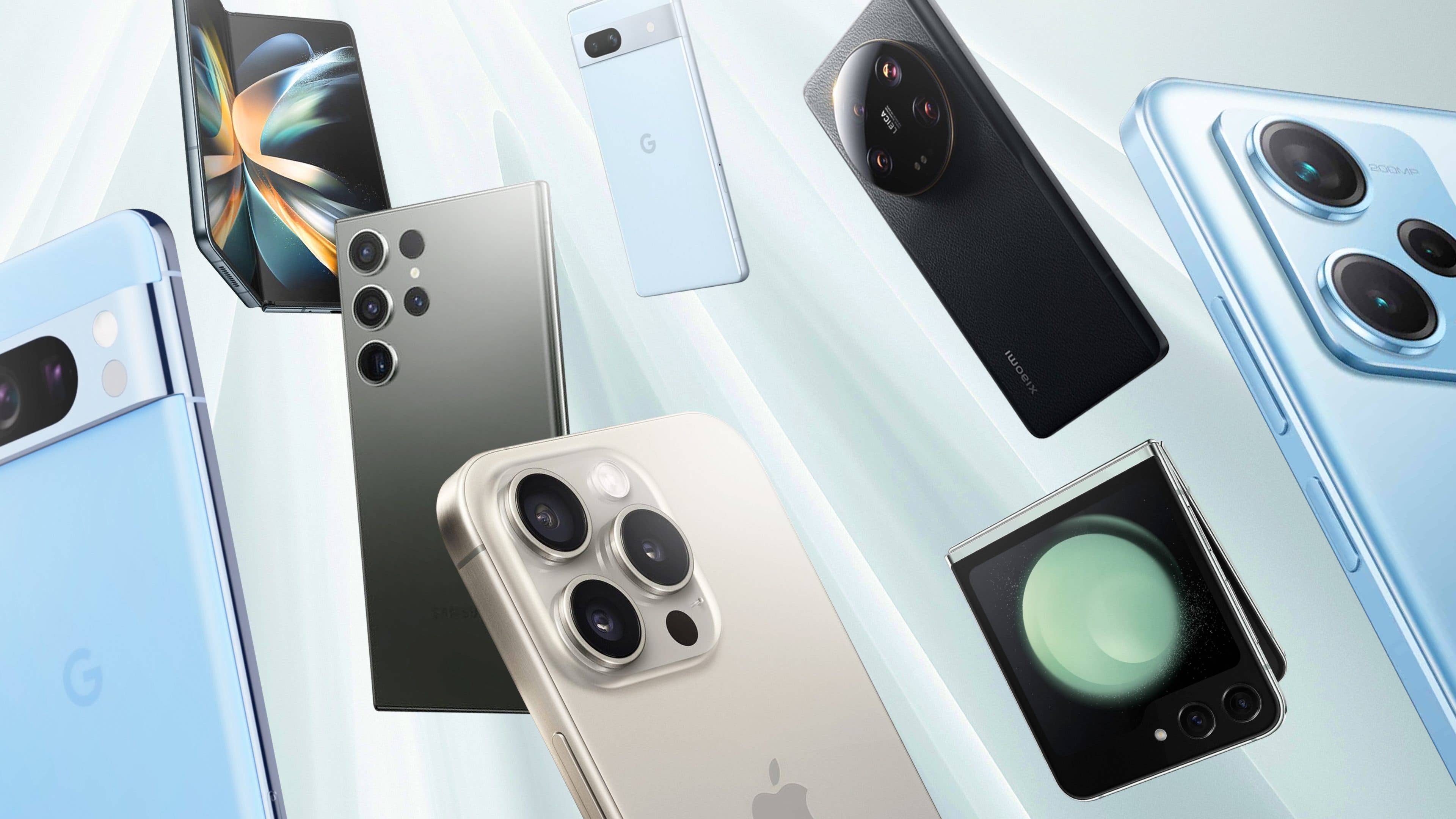
The Journey of Smartphones: From Early Models to Modern Marvels
The journey of smartphones has been nothing short of revolutionary, tracing back to the earliest models like the IBM Simon Personal Communicator, which debuted in 1994. This pioneering device combined the functionality of a mobile phone and a PDA, introducing features such as a touchscreen and email capability. However, it wasn’t until the launch of the first iPhone in 2007 that the smartphone truly entered the mainstream. The modern smartphone era has been marked by rapid technological advancements, with companies racing to innovate and enhance user experiences. Key developments include the introduction of high-resolution touchscreens, powerful processors, and advanced camera systems that have transformed the way we communicate and consume content.
Today, smartphones serve as indispensable tools in our daily lives, evolving into sleek, multifunctional devices that blend utility and entertainment. The rise of operating systems like Android and iOS has allowed for a diverse ecosystem of applications, enabling users to customize their smartphones to better suit their needs. As we look to the future, we can expect even more innovations in smartphone technology, including advancements in artificial intelligence, augmented reality, and foldable displays that promise to redefine our interaction with modern marvels. The evolution of smartphones is a testament to our ever-growing reliance on technology and its impact on the way we connect with the world around us.
Counter-Strike is a popular first-person shooter game that revolves around team-based gameplay, where players can choose to be part of either the terrorist or counter-terrorist teams. The game's tactical nature and competitive environment have made it a staple in eSports, drawing millions of players and viewers worldwide. For those interested in gaming accessories, you might also want to check out the Top 10 Camera Grips for iPhone 17 to enhance your streaming experience.
10 Ways Smartphones Have Changed Our Daily Lives
The advent of smartphones has revolutionized how we communicate, work, and entertain ourselves. One significant change is the way we stay connected. No longer limited to voice calls, we engage in instant messaging, video calls, and social media interactions that keep us in touch with friends and family throughout the day. Additionally, smartphones serve as a central hub for our daily activities, from managing schedules to accessing important information on the go. They have become essential tools for staying organized and productive, significantly altering our daily routines.
Moreover, smartphones have transformed how we consume content and access information. With just a few taps, we can read the latest news, watch videos, or listen to music, allowing for a level of convenience previously unseen. The rise of mobile applications has enabled us to do everything from shopping to banking, making our lives inherently easier. In fact, here are 10 ways that smartphones have changed our daily lives:
- Instant communication
- Access to information
- Social media engagement
- Navigation assistance
- Mobile banking
- Online shopping
- Health tracking
- Remote work capabilities
- Entertainment on-the-go
- Photography and video creation
Are Smartphones Replacing Other Devices? A Deep Dive into Their Multifunctionality
In today's fast-paced digital landscape, smartphones have become the Swiss Army knives of technology, effectively replacing a myriad of traditional devices. From taking photographs and shooting videos to navigating and communicating, the multifunctionality of smartphones is remarkable. A recent survey revealed that over 80% of users felt that their smartphones adequately replaced their point-and-shoot cameras, GPS devices, and even music players. With the proliferation of apps tailored for various tasks, users can find tools for everything from fitness tracking to financial management—all packed into one sleek device.
Furthermore, the dominance of smartphones has led to diminished demand for devices like e-readers and portable game consoles. According to industry analysts, the convergence of functionality is driving this trend, as more people prefer to use a single device for multiple purposes. For instance, apps such as Kindle allow avid readers to access vast libraries without needing a dedicated e-reader, while mobile gaming applications provide immersive experiences previously confined to consoles. As we dive deeper into this phenomenon, it becomes clear that the smartphone's versatility not only enhances user convenience but also signals a significant shift in how we engage with technology.