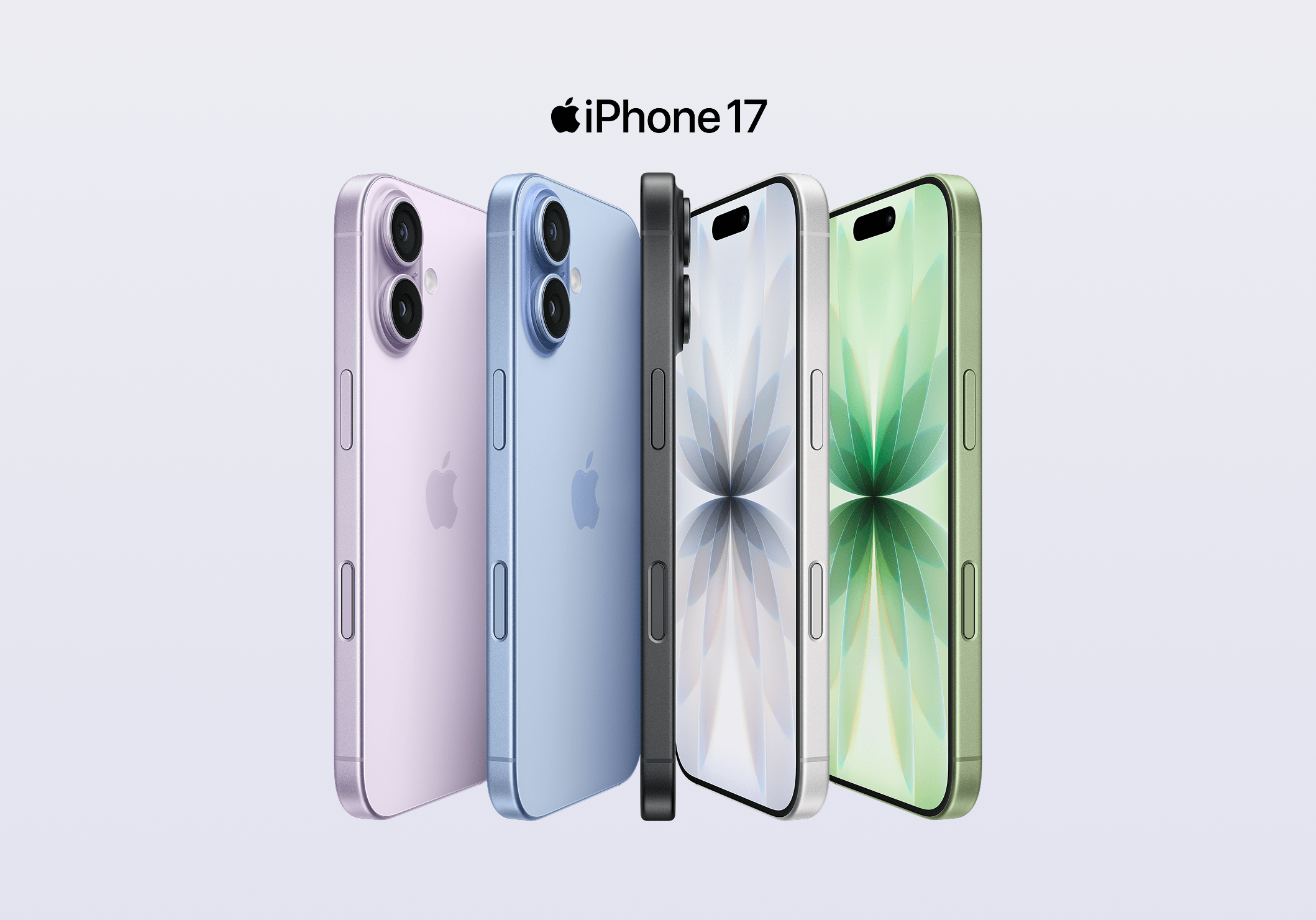
The Undeniable Impact of Smartphones: How Mobile Devices Shape Our Daily Lives
The impact of smartphones on our daily lives is profound and undeniable. These devices have seamlessly integrated into our routines, serving not just as communication tools but as gateways to a wealth of information and applications. From social media platforms that connect us with friends and family to productivity apps that help us manage our tasks, smartphones have transformed how we interact with the world. According to recent studies, approximately 85% of adults own a smartphone, showcasing its prevalence and influence. This pervasive adoption has led to a cultural shift where instant accessibility to information and real-time communication are the norms.
Moreover, the role of mobile devices in shaping our daily habits is evident. For instance, many individuals rely on their smartphones for navigation through GPS services, making it easier to explore new places. Additionally, mobile banking applications enable users to manage finances effortlessly from the palm of their hand. The constant engagement with mobile technology has also birthed a new social etiquette, reshaping how we communicate face-to-face. As a result, the reliance on smartphones continues to evolve, prompting us to rethink interpersonal relationships, work-life balance, and even our mental health.
Counter-Strike is a highly competitive first-person shooter game that pits teams of terrorists against counter-terrorists in various objective-based scenarios. Players can choose from a plethora of weapons and strategies to outmaneuver their opponents. To enhance your gaming experience, it's essential to have the right gear; check out the Top 10 Mobile Accessories to ensure you're fully equipped for the battle.
Mobile Apps vs. Web Browsers: Which is Dominating Your Experience?
In today's digital landscape, the debate between mobile apps and web browsers continues to shape user experiences and preferences. Mobile apps are designed specifically for smartphones and tablets, offering enhanced performance, personalized experiences, and offline capabilities. Many users tend to favor mobile apps for their intuitive interfaces and speed, leading to faster loading times and seamless interactions. However, web browsers provide a broader accessibility scope since they can be used across various devices without the need for installations. This flexibility allows users to access information quickly, making web browsers a vital tool in our daily lives.
Despite the growing popularity of mobile apps, certain factors play into the argument of which platform dominates user experience. According to recent studies, over 80% of users prefer mobile apps for social media interactions, while web browsers retain a significant edge in research and informational tasks. Key advantages of web browsers include the ease of sharing links, scalability on larger screens, and compatibility with multiple operating systems. Ultimately, both platforms offer unique benefits, and choosing between mobile apps and web browsers often comes down to personal preference and specific use cases.
Is Your Smartphone a Powerhouse or a Distraction? Understanding the Balance
In today's digital age, smartphones have become an essential extension of our daily lives, serving as powerful tools for communication, productivity, and information access. With features that range from high-quality cameras to advanced applications, these devices can enhance our capabilities and streamline tasks. However, the question remains: Is your smartphone a powerhouse or merely a distraction? To harness the full potential of your device, it is crucial to strike a balance between leveraging its benefits and mitigating its distractions. We must recognize when our smartphones work to our advantage and when they become a takeover, diverting attention from what truly matters.
On one hand, smartphones can act as powerhouses by enabling users to stay organized, manage schedules, and access information on-the-go. Applications for productivity, education, and finance help streamline tasks and promote personal growth. On the other hand, the constant notifications and temptations of social media can lead to distractions that diminish focus and productivity. Finding the right balance involves setting boundaries, such as allocating specific times for checking emails or social media and utilizing features like Do Not Disturb to minimize interruptions. Ultimately, understanding the dual nature of smartphones empowers users to maximize their advantages while reducing the risks of distraction.