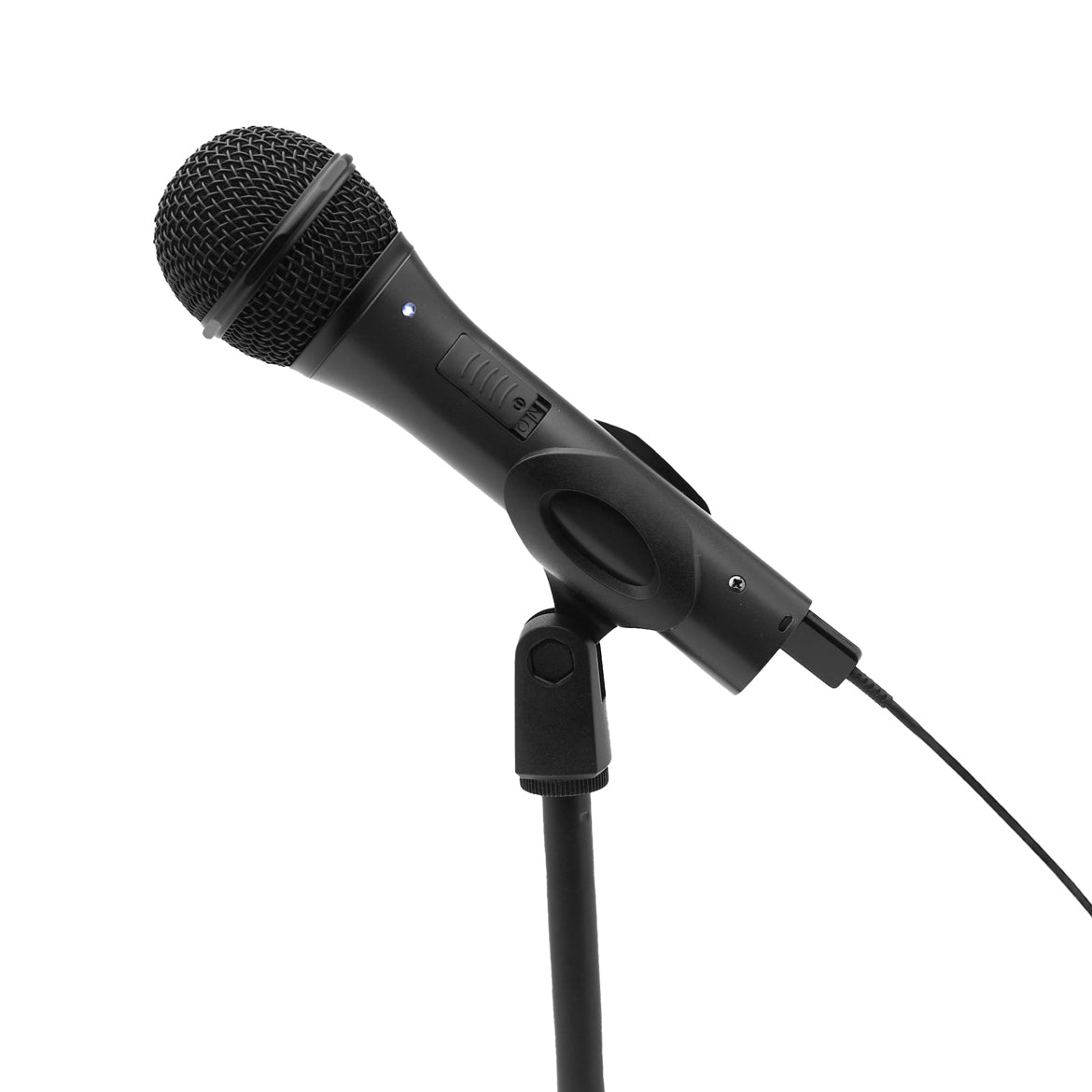
The Science Behind Microphone Technology: How It Enhances Your Audio Experience
The world of microphone technology is both fascinating and complex, relying on intricate scientific principles to capture sound waves accurately. At its core, a microphone converts acoustic energy into electrical signals, which can then be amplified and recorded. The two primary types of microphones – dynamics and condensers – operate on different mechanisms. Dynamic microphones use a diaphragm attached to a coil of wire, which moves within a magnetic field to produce an audio signal. Meanwhile, condenser microphones utilize a capacitor system, where sound waves cause a diaphragm to vary the distance between two plates, generating a voltage that translates into sound. This technological diversity allows users to select the right microphone for their specific audio needs, ranging from podcasts and musical recordings to professional broadcasting.
How does this microphone technology enhance our audio experience? The answer lies in several advanced features designed to improve sound quality. Many modern microphones include noise-cancelling capabilities, which help isolate the desired sound source by reducing background noise. Furthermore, integrating digital signal processing (DSP) provides post-production enhancements, such as equalization and compression, ultimately elevating the overall audio experience. Additionally, wireless microphones have revolutionized the industry, granting users the freedom to move without the constraints of cables while still capturing high-fidelity sound. As technology continues to evolve, the science behind microphones will play a crucial role in how we experience audio in every aspect of our lives.
Counter-Strike is a highly popular first-person shooter game that has captivated millions of players worldwide. It pits teams of terrorists against counter-terrorists, creating an intense environment focused on strategy and teamwork. Players can enhance their gameplay experience with various tools and devices, including the Top 10 Phone Accessories for YouTube, which can help stream their matches effectively.
Choosing the Right Microphone: A Guide for Musicians and Podcasters
When it comes to choosing the right microphone, musicians and podcasters have a plethora of options to consider. First, it's crucial to understand the different types of microphones available, such as dynamic, condenser, and ribbon microphones. Each type has its unique characteristics that cater to specific recording environments and sound sources. For instance, dynamic microphones are typically more durable and handle high sound pressure levels, making them ideal for live performances, whereas condenser microphones are known for capturing finer details in studio settings, especially when recording vocals or acoustic instruments.
Next, consider your specific needs and budget. Think about the purpose of the microphone: whether it's for a live stage performance or a quiet home studio. Additionally, pay attention to factors like frequency response, polar patterns, and connectivity options. A microphone with a wide frequency response will accurately capture the nuances of your sound, while directional polar patterns can help reduce background noise. Ultimately, investing in the right microphone is essential for achieving professional-level audio quality, whether you're performing live or creating engaging podcast content.
What Makes a Good Microphone? Key Features to Consider for Optimal Sound Quality
When choosing a microphone, several key features play a crucial role in determining sound quality. First and foremost, consider the type of microphone you need: dynamic, condenser, or ribbon. Dynamic microphones are great for live performances, while condenser microphones are preferred for studio recordings due to their sensitivity and wider frequency range. Additionally, look for specifications such as frequency response and polar patterns. A wide frequency response ensures your microphone captures both low and high frequencies accurately, while the right polar pattern (cardioid, omnidirectional, etc.) helps isolate sound sources, reducing background noise.
Another important factor is the sensitivity of the microphone. Higher sensitivity microphones pick up quieter sounds and can be beneficial for studio recording. You should also evaluate the connectivity options. USB microphones are great for convenience and ease of use, especially for beginners, while XLR microphones are often preferred by professionals for their superior quality and versatility. Lastly, don’t forget about build quality and portability; a durable microphone can withstand the rigors of travel and live performances, making it a wise investment for anyone serious about capturing optimal sound quality.