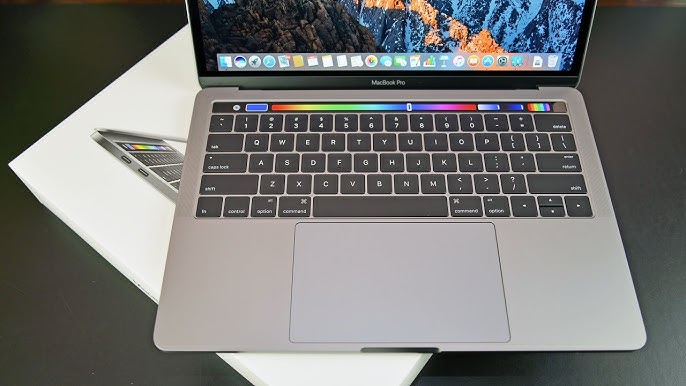
Top 5 MacBook Mishaps and How to Avoid Them
MacBooks are known for their sleek design and powerful performance, but even the best devices can fall victim to mishaps. Below are the Top 5 MacBook Mishaps you should watch out for:
- Dropping Your MacBook: A common mistake that can lead to serious damage. Always use a protective case and be cautious when carrying your device.
- Ignoring Software Updates: Neglecting updates can lead to security vulnerabilities. Make it a habit to check for updates regularly.
- Spilling Liquid: Accidental spills can ruin your device. Keep drinks away from your MacBook and consider using a keyboard cover.
- Overheating: Blocking ventilation can cause overheating. Make sure to use your MacBook on a hard surface and avoid using it while it's on your lap.
- Neglecting Backup: Losing files due to hardware failure is devastating. Regularly use Time Machine or another backup solution to keep your data safe.
Counter-Strike is a highly popular multiplayer first-person shooter game that emphasizes teamwork and strategy. Players can choose between two teams, the Terrorists and the Counter-Terrorists, each with distinct objectives. For those interested in enhancing their gaming experience, check out the Top 10 Accessories for Coding with MacBook which can help improve performance and comfort during long gaming sessions.
What to Do When Your MacBook Crashes: A Step-by-Step Guide
Experiencing a crash on your MacBook can be frustrating, but it's essential to stay calm and follow a systematic approach to address the issue. First, restart your MacBook by holding down the power button until it turns off. Wait for a few seconds, then press the power button again to turn it back on. If your device fails to respond, try performing a NVRAM reset by holding down Command + Option + P + R keys during startup. This action can sometimes correct various configuration issues that might cause crashes.
Once your MacBook is up and running again, it’s crucial to identify the cause of the crash. Begin by checking your system logs for any error messages that occurred right before the crash. To access the logs, go to Applications > Utilities > Console. Additionally, consider running Disk Utility to repair your startup disk. If the problem persists, you may need to update your software or check for incompatible applications or drivers. Following these steps can help to prevent future crashes and ensure a smoother experience with your device.
Lessons Learned: How to Troubleshoot Common MacBook Problems
Troubleshooting common MacBook problems is an essential skill for any Apple user. Understanding how to diagnose and resolve issues can save you time and frustration. Here are some common problems and their solutions:
- MacBook won't turn on: If your MacBook isn't powering on, first check whether it's plugged in. If the battery is completely drained, allow it to charge for a minimum of 10 minutes before attempting to turn it on again.
- Slow performance: A sluggish MacBook can often be remedied by freeing up storage space. Consider uninstalling unnecessary applications, emptying the Trash, and clearing system caches.
Another frequent issue users face is Wi-Fi connectivity problems. If your MacBook is having trouble staying connected to a Wi-Fi network, try these steps:
- Restart the router: Sometimes, the issue lies with your Wi-Fi router rather than your MacBook. Restarting it may resolve connectivity problems.
- Forget the network: Go to System Preferences > Network, select Wi-Fi, then click on Advanced. Find your network, select it, and click Forget. Reconnecting can often help re-establish a stable connection.