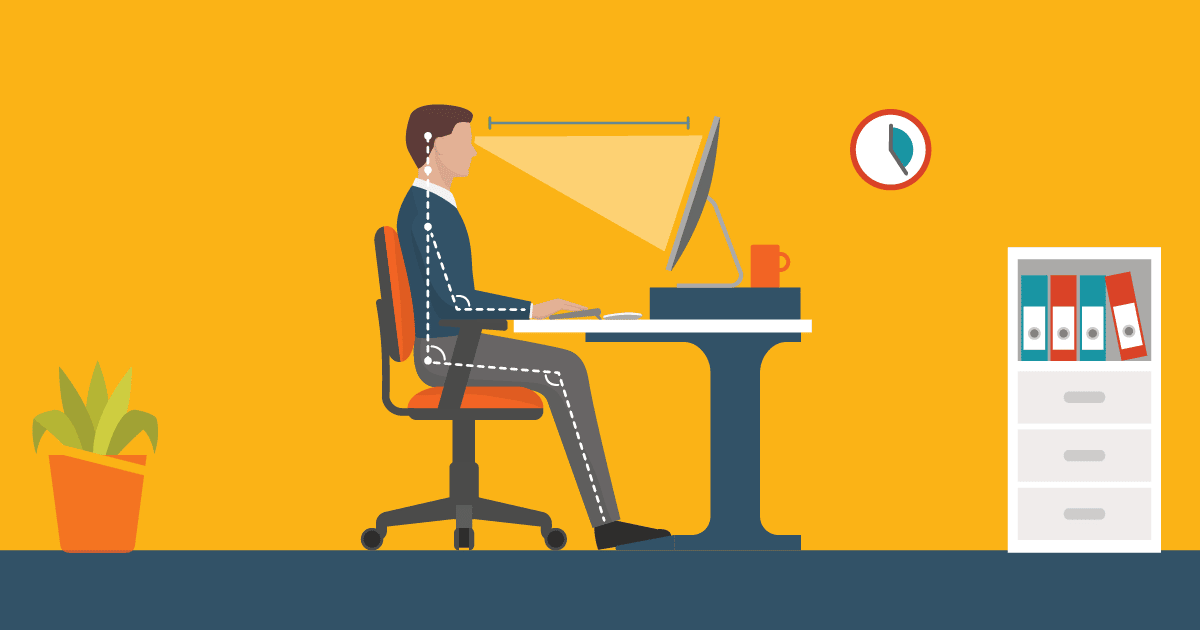
Understanding Ergonomics: How It Transforms Back Health
Understanding ergonomics is essential for promoting better back health and overall well-being. Ergonomics refers to the science of designing a workspace, processes, and tasks to fit the individual's physical capabilities and limitations. By assessing various elements such as chair height, monitor level, and desk design, ergonomics plays a crucial role in reducing strain on the back. For instance, a supportive chair that maintains the natural curve of the spine can significantly alleviate discomfort. Furthermore, incorporating ergonomic practices can lead to improved posture, which is vital for anyone spending long hours at a desk.
Implementing ergonomic principles not only helps in preventing back injuries but also enhances productivity. Here are some key practices to consider:
- Maintain proper posture: Sit up straight with feet flat on the floor.
- Adjust your workstation: Ensure that your monitor is at eye level to avoid neck strain.
- Take regular breaks: Stand up and stretch every hour to promote circulation.
Counter-Strike is a highly popular first-person shooter game that pits teams of terrorists against counter-terrorists in various objective-based scenarios. Players are tasked with completing mission objectives, such as planting bombs or rescuing hostages, while maintaining effective teamwork and strategy. To enhance your gaming experience, consider exploring Top 10 Desk Accessories for Productivity to optimize your setup for long gaming sessions.
Top 5 Ergonomic Tips for a Pain-Free Work Environment
Creating a pain-free work environment starts with proper ergonomics. Here are the top 5 ergonomic tips to enhance comfort and productivity:
- Chair Selection: Invest in a quality office chair that supports your lower back. A chair with adjustable height and lumbar support can help maintain the natural curve of your spine.
- Desk Arrangement: Position your desk and monitor at eye level. Your screen should be about an arm's length away, with the top of the monitor at or just below eye level to prevent straining your neck.
- Keyboard and Mouse Position: Ensure that your keyboard and mouse are positioned close enough to prevent excessive reaching. Keep your wrists straight and your arms at a 90-degree angle to minimize tension.
- Regular Breaks: Incorporate short breaks into your work routine. Stand up, stretch, or walk around every hour to relieve muscle tension and improve circulation.
- Personalize Your Workspace: Add personal touches to your workstation that make you feel comfortable and focused. Consider items like a footrest, ergonomic accessories, or plants to enhance your mood.
Is Your Workspace Sabotaging Your Spine? Key Questions to Ask
Your workspace plays a crucial role in the health of your spine, often in ways we might not immediately recognize. If you're experiencing discomfort or pain, it's essential to examine your workspace setup. Here are some key questions to consider: Is your chair supportive enough? A chair that doesn't offer adequate lumbar support can lead to poor posture, putting unnecessary strain on your spine. Are you sitting at the right height? Your desk should be adjusted so that your elbows are at a 90-degree angle while typing, and your feet should rest flat on the floor to ensure proper spinal alignment.
Another vital aspect of your workspace is the arrangement of your computer and other tools. Is your screen positioned correctly? The top of your monitor should be at or just below eye level to prevent neck strain, allowing you to maintain a neutral spine position. Furthermore, consider how often you take breaks; prolonged sitting can be detrimental. Incorporating periodic stand-up breaks or stretching can alleviate pressure on your spine, making it essential to reflect on the habits you uphold in your workspace.